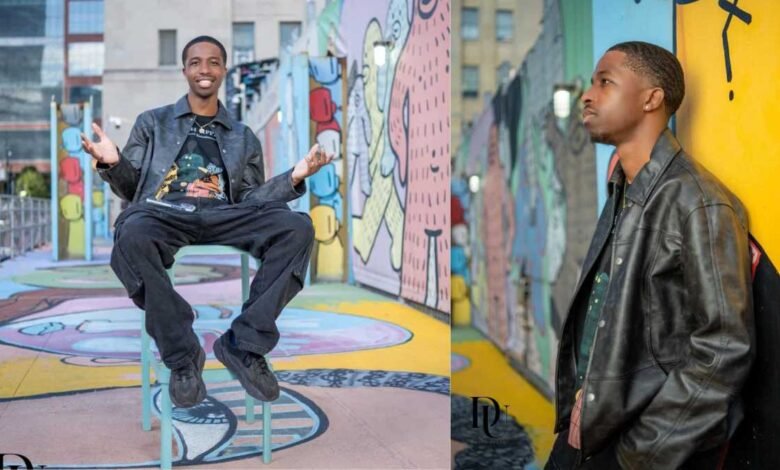
You’ve probably seen TJ’s videos– dancing in Times Square, a train station, or on a random New York City block. Before the views and viral clips, dance for TJ came from people, music, and movement.
“I started dancing in high school,” he says. “African clubs, international clubs, hip-hop, Afro, Caribbean dance. I was doing all of it, just for fun.” That love for movement followed him upstate to the University at Buffalo, where dance became his way of connecting. While studying marketing, he joined African dance clubs to meet people in a new environment and quickly stood out.
“I’m a quick visual learner,” he says. “I started picking up choreography naturally, and before I knew it, I was leading, choreographing, and performing at fashion shows.” After graduating and returning to New York City, dance remained central to his life, even as he stepped into corporate work. “I came back knowing I had to keep dancing,” he says. “That’s where my community was.”
What began as teaching dance classes soon moved beyond studio walls. He started filming to show students what they could expect– the choreography, the energy, the atmosphere– and people showed up. “I’m a Staten Island kid– born in Brooklyn, raised in Staten Island,” he says. “Seeing people actually come out to dance with me meant everything.”
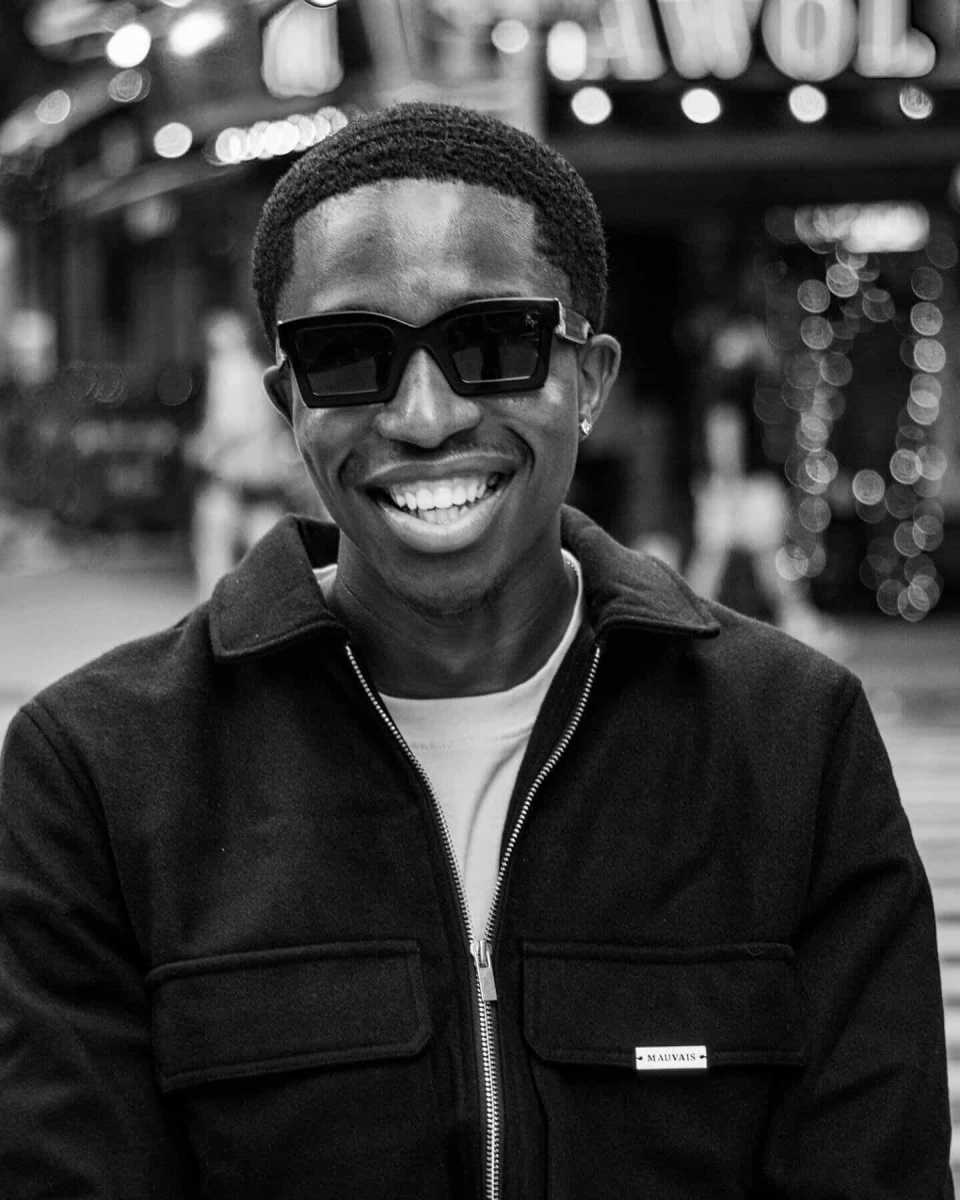
As his classes grew, so did his collaborations. TJ leaned into shared movement, linking up with dancers across the city and moving beyond solo performances. That shift naturally pulled him toward Manhattan.
“If I’m meeting someone from the Bronx or Brooklyn, we’re meeting in the city,” he says. “Times Square has the lighting, the background, the movement– it just works.”
Dancing in the streets wasn’t just practical, it felt right. Without studio walls or rental fees, movement became more accessible, spontaneous, and public.
“The street is free,” he says. “Out here, you get real New York: skyscrapers, people passing by, the noise, the energy.” Each performance became a conversation with the city itself, shaped by the rhythm of the streets and the people moving through them. “It was always about connection,” he says. “With dancers, with the city, and with anyone who stops to watch.”
For TJ, dance is less about performance and more about freedom. “Dance lets you express freedom,” he says. “When you’re moving, you’re not supposed to overthink it. It’s about how the beat makes you feel.” Everything in his creative process starts with music. A song has to resonate first, lingering in his head before any choreography takes form.
“The music comes first,” he says. “I can’t stop thinking about the song.” From there, movement follows naturally. Only after the dance feels right does he think about where it belongs, whether it becomes a class or a video. “Music first, then movement, then the environment,” he explains.
Filming in public spaces opened his work up to the spontaneity that defines New York City. “A lot of New York is random,” he says. “Spontaneous things happen all the time.” A passerby might wander into frame. Someone might jump in unexpectedly. A reaction might change the entire video. “You’ll set up a tripod and someone might just walk in and start dancing,” he says. “That randomness is New York.”
His energy sets the tone. TJ’s videos are open, smiley, and inviting– and people respond. “Even if someone’s having a bad day, it only takes 30 seconds,” he says. “They see it, they smile.” Those reactions don’t interrupt the videos– they shape them. “Before, if someone jumped into the frame, I’d be like, ‘They messed up my video,’” he says. “Now, that’s what makes it.”
Times Square keeps pulling him back, not just as a backdrop, but as a shared stage. “Other creators are there. Other dancers are there,” TJ says. “You’re not alone.” The city’s rhythm– loud, fast, and unpredictable– shows up in every performance. “A lot of the videos that go viral are the unexpected ones,” he says. “That’s New York.”
Dance becomes a way of telling the city’s story without words. “People don’t really care, they just keep moving,” he says. “That’s New York. It’s unbothered.” At the same time, it’s welcoming. “You can tap someone, and they’ll either keep walking or dance with you,” he says. “Either way, it’s real.”
That balance between planning and improvisation defines his work. While collaborations and choreography may be planned, everything else is left open. “What happens next is just New York energy,” he says. “You react in the moment.”
The same philosophy guides how he blends Afro-fusion with trending movement challenges. While trends help his work travel further, he’s careful not to dilute the cultural roots behind the movement. “The trends help you grow,” he says. “But the skill is what makes people stay.”
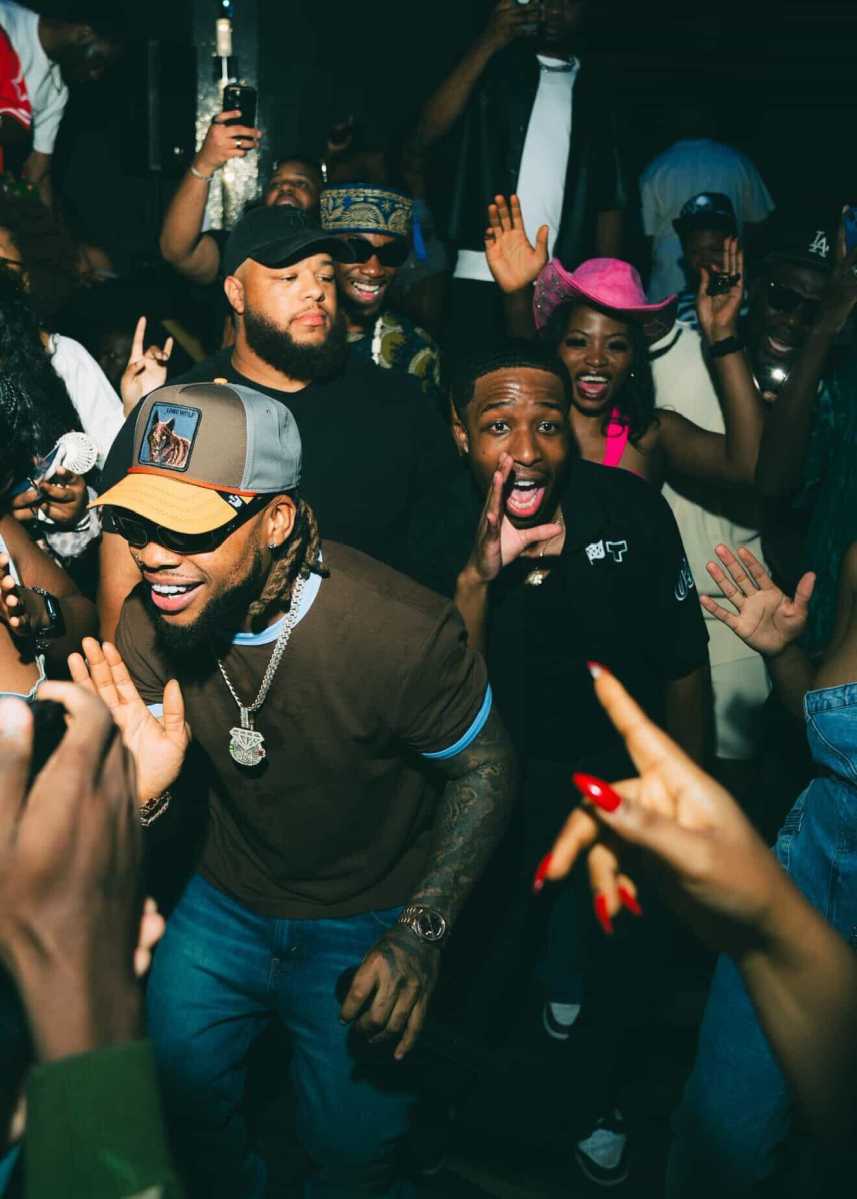
That balance has paid off in unexpected ways, not just in numbers, but in real-life connections. “Someone messaged me saying they wanted to surprise their daughter with a dance for her birthday,” he says. “That’s so heartwarming to me.” Ultimately, TJ doesn’t see his work as representing New York City, he sees it as opening doors. “I just want to show people it’s okay to step out of your comfort zone,” he says.
Through collaboration, street movement, and shared moments, his videos reflect a side of New York that’s often overlooked: not dangerous or closed off, but open, spontaneous, and full of possibility. “It shows that the streets are welcoming,” he says. “There’s opportunity everywhere.”
At the end of the day, TJ hopes his videos do one simple thing: make people feel good. “I want it to be joy,” he says. “Good vibes only.” Whether it’s a quick dance in Times Square or a spontaneous moment with a stranger, he wants every video to leave people smiling, even if just for a few seconds. “If you watch my video and it brings a smile, that’s everything,” he says. “That’s the goal.”
That sense of joy extends beyond dance. TJ has begun using his platform to give back, from distributing school supplies and food in Nigeria and Ghana to uplifting kids and underdogs closer to home. It’s work he plans to share more openly moving forward, letting people see how influence can be used with intention. “I want people to see that light,” he says. “Using what I have to help others.”
As for what’s next, TJ is thinking bigger: more collaborations, more performances, and more storytelling. Alongside short-form dance clips, he’s leaning into longer-format content, vlogs, and real-life stories that reflect who he is beyond the movement. “I want to show more of the journey,” he says. “Not just the dance.” Still, no matter where the work goes: brand partnerships, bigger stages, longer videos, the feeling stays the same.
“If you see a TJ video,” he says, “you should feel happy every time.” And in a city that moves fast and rarely slows down, that joy might be the most lasting impact of all.